wonach suchst du
?

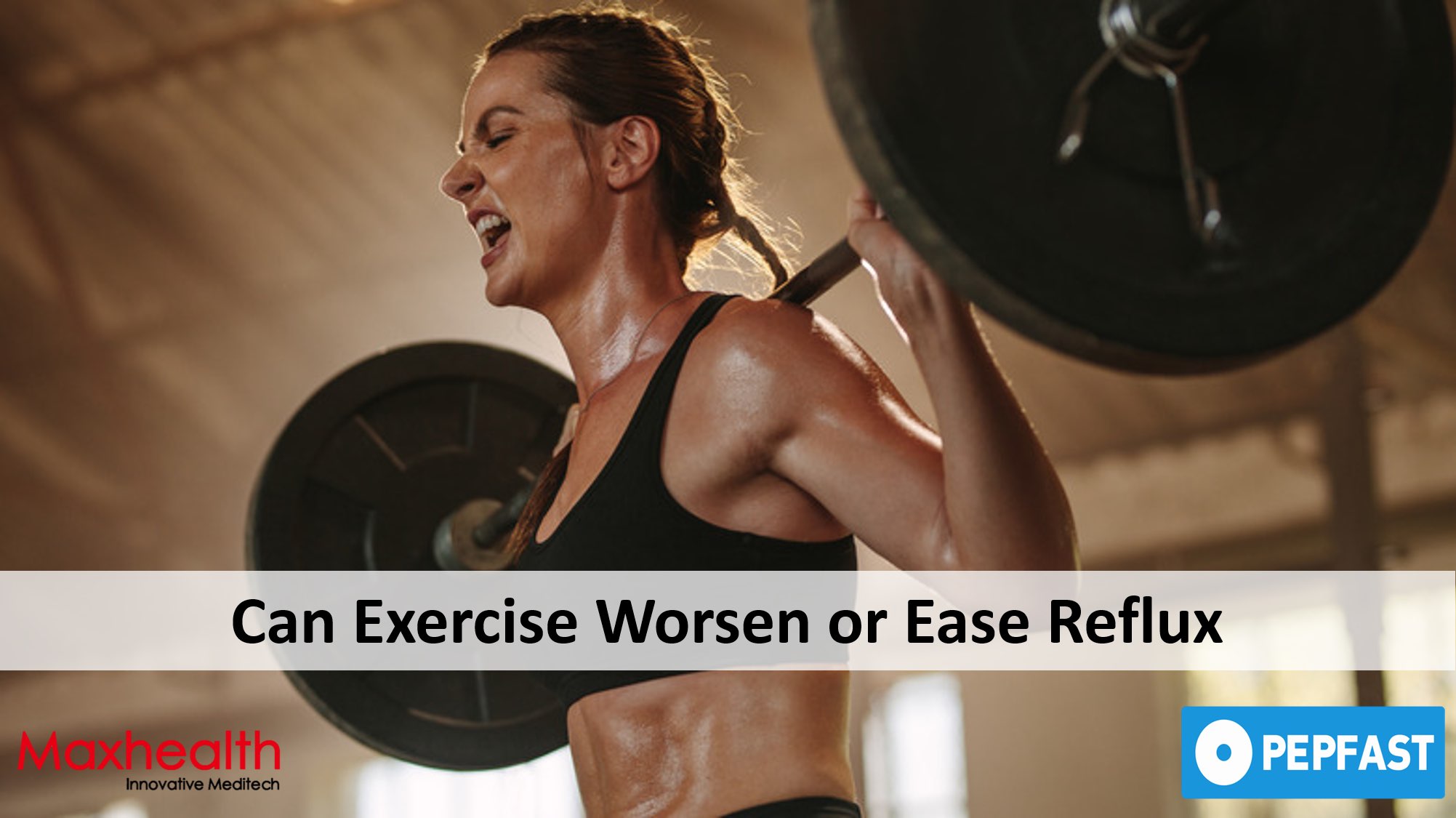
Für Menschen mit gastroösophagealer Refluxkrankheit (GERD) kann der Zusammenhang mit körperlicher Aktivität verwirrend sein. Manche berichten, dass ein intensives Training Sodbrennen oder Aufstoßen verursacht, während andere sagen, dass regelmäßige Bewegung ihre Symptome sogar lindert. Wissenschaftliche Erkenntnisse deuten darauf hin, dass beide Sichtweisen zutreffen können – es hängt maßgeblich von Art und Intensität des Trainings sowie von individuellen Faktoren wie der Integrität der Speiseröhren-Magen-Schranke ab.【1】【2】.
Mehrere Studien haben untersucht, warum intensive körperliche Aktivität Reflux auslösen kann. Eine wegweisende Studie aus dem Jahr 2004 wurde in der Fachzeitschrift veröffentlicht. Amerikanische Zeitschrift für Gastroenterologie untersuchten den Zusammenhang zwischen intensiver körperlicher Betätigung und der Funktion des ösophagogastralen Übergangs (ÖGÜ) – der entscheidenden Barriere, die den Rückfluss von Mageninhalt verhindert.【1】Die Forscher untersuchten zehn Personen mit GERD und zehn Personen ohne GERD, die 60 Minuten lang Lauf- und Kraftübungen absolvierten. Die Ergebnisse zeigten, dass intensives Training zu einer Verbesserung führte. mehr als dreifache Steigerung der Säureexposition in beiden Gruppen.
Die Studie ergab außerdem, dass der Grad des Refluxes stark mit der Form und Integrität des ösophagogastralen Übergangs (ÖGÜ) korrelierte. Personen mit einem flexibleren oder deformierten ÖGÜ waren besonders anfällig für belastungsinduzierten Reflux.【1】Dies lässt darauf schließen, dass die mechanische Belastung durch Aktivitäten mit hoher Stoßbelastung oder schweres Heben die Fähigkeit des Schließmuskels, den Mageninhalt zurückzuhalten, physisch überfordern kann.
Eine Studie aus dem Jahr 2014 präzisierte dieses Bild weiter, indem sie untersuchte, wie die Intensität des Trainings Refluxepisoden beeinflusst.【2】Forscher fanden heraus, dass Personen mit erosiver GERD, die Sport trieben, bei einer bestimmten Intensität ihre Gesundheit verbesserten. hohes Maß an AnstrengungSie litten deutlich häufiger unter Reflux. Im Gegensatz dazu zeigte sich bei moderater körperlicher Belastung kein signifikanter Zusammenhang. Dies deutet auf einen Schwellenwerteffekt hin: Aktivitäten mit niedriger bis mittlerer Intensität fordern die Barriere möglicherweise nicht ausreichend heraus, um Symptome auszulösen, während dies bei hoher Intensität der Fall sein kann.
Interessanterweise deutete bereits eine viel frühere Studie aus dem Jahr 1984 auf diese Komplexität hin. In einer kleinen Studie mit sieben Kindern mit GERD stellten Forscher fest, dass zwar einige Kinder während intensiver körperlicher Anstrengung und der Erholung Symptome verspürten, körperliche Betätigung jedoch nicht bei allen Patienten durchgängig Reflux auslöste.【1】.
Während intensive körperliche Betätigung problematisch sein kann, können bestimmte Arten von körperlicher Aktivität tatsächlich Linderung verschaffen. Eine Metaanalyse aus dem Jahr 2020 untersuchte sieben Studien mit 194 Patienten mit GERD und kam zu dem Ergebnis, dass Atemübungen– insbesondere solche, die das Zwerchfell stärken – könnten den Druck des unteren Ösophagussphinkters, insbesondere des Zwerchfellschenkelanteils, deutlich erhöhen.【3】Diese Verbesserung lässt vermuten, dass gezieltes Atemtraining zur Linderung der GERD-Symptome beitragen kann.
Diese Ergebnisse decken sich mit der klinischen Beobachtung, dass sanfte, gelenkschonende Sportarten wie Gehen, Radfahren oder Schwimmen im Allgemeinen besser vertragen werden als intensives Laufen oder schweres Gewichtheben. Darüber hinaus können die Vorteile regelmäßiger, moderater Bewegung – wie Gewichtsmanagement und Stressabbau – indirekt dazu beitragen, Reflux langfristig zu lindern.
Wenn Sie während oder nach körperlicher Aktivität Sodbrennen verspüren, müssen Sie nicht auf Sport verzichten. Versuchen Sie stattdessen folgende wissenschaftlich fundierte Anpassungen:
Planen Sie Ihre Mahlzeiten sorgfältig.Warten Sie nach einer vollen Mahlzeit mindestens zwei bis drei Stunden, bevor Sie Sport treiben. Ein kleiner Snack ist unter Umständen akzeptabel, aber ein voller Magen erhöht das Risiko.
Wähle deine Aktivitäten mit Bedacht.Wählen Sie gelenkschonende Sportarten. Spazierengehen, Radfahren, Schwimmen und Yoga sind im Allgemeinen sicherer als Laufen, Springen oder schweres Gewichtheben.
Bleiben Sie aufrecht.Achten Sie auf eine gute Körperhaltung. Vermeiden Sie Übungen, bei denen man flach liegt oder sich stark nach vorne beugt.
Trinken Sie ausreichend.Trinken Sie während des gesamten Trainings Wasser, vermeiden Sie es aber, große Mengen auf einmal zu trinken.
Tragen Sie lockere KleidungEnge Hosenbünde können den Druck im Bauchraum erhöhen und die Symptome verschlimmern.
Üben Sie AtemtechnikenDie Zwerchfellatmung kann den Schließmuskel stärken und die Refluxhäufigkeit verringern.【3】.
Höre auf deinen KörperWenn Symptome auftreten, unterbrechen oder passen Sie Ihr Training an. Ihr Wohlbefinden hat Vorrang vor der Leistung.
Da trainingsbedingte Symptome variabel und subjektiv sein können, sind objektive Tests unerlässlich. Ein einfacher, nicht-invasiver Refluxtest wie Pepfast Speicheltest-Set erkennt das Vorhandensein von PepsinPepsin – ein Verdauungsenzym, das ausschließlich im Magen produziert wird – lässt sich in einer kleinen Speichelprobe nachweisen. Normalerweise ist Pepsin nicht im Speichel nachweisbar; findet es sich doch, ist es ein direkter Hinweis auf Sodbrennen. Für Sportler und Fitnessbegeisterte, die nach dem Training Sodbrennen, Aufstoßen oder Halsreizungen verspüren, kann ein Pepfast-Test klare und objektive Hinweise liefern und ihnen bei der Entscheidungsfindung helfen.
Maxhealth Innovative Meditech (Wuxi) Co., Ltd. bietet Komplette Diagnose- und Therapielösungen für GERD und LPR, einschließlich Pepfast (schneller, nicht-invasiver Pepsintest), Peptest (laborbasierter Bestätigungstest) und Gasrelief (Alginat-Barrieretherapie). Alle Produkte enthalten CE-, FDA- und NMPA-Zertifizierung Freigaben. Für Vertriebsanfragen wenden Sie sich bitte an uns. Kontakt unser Vertriebsteam.
1. Verschlimmert Sport den Reflux immer?
Nein. Während intensive körperliche Betätigung bei manchen Menschen Reflux auslösen kann, können moderate Bewegung und bestimmte Aktivitäten wie die Zwerchfellatmung den unteren Ösophagussphinkter stärken und die Symptome lindern.【1】【2】【3】.
2. Welche Sportarten sind für Menschen mit GERD am sichersten?
Schonende Aktivitäten wie Spazierengehen, Radfahren, Schwimmen und Yoga werden im Allgemeinen besser vertragen als intensives Laufen oder schweres Gewichtheben. Vermeiden Sie Übungen, bei denen man direkt nach dem Essen flach liegt oder sich nach vorne beugt.
3. Können Atemübungen wirklich bei Reflux helfen?
Ja. Eine Metaanalyse aus dem Jahr 2020 ergab, dass Atemübungen den Druck des unteren Ösophagussphinkters, insbesondere im Bereich des Zwerchfells, verbessern können, was die Symptome von GERD lindern kann.【3】.
4. Wie kann ich feststellen, ob meine Beschwerden beim Sport tatsächlich auf Reflux zurückzuführen sind?
Symptome wie Sodbrennen, Aufstoßen oder ein saurer Geschmack sind Hinweise. Für eine eindeutige Diagnose ist ein Arztbesuch erforderlich. Pepfast Mit einem Speicheltest kann Pepsin – ein direkter Biomarker für Reflux – nachgewiesen werden, wodurch eine objektive Bestätigung ermöglicht wird.
【1】Kahrilas PJ, et al. Belastungsinduzierter gastroösophagealer Reflux. Amerikanische Zeitschrift für Gastroenterologie. 2004;99(10):1923-1928.
【2】Pandolfino JE, et al. Zusammenhang zwischen Belastungsintensität und gastroösophagealen Refluxepisoden bei Patienten mit erosiver Refluxkrankheit. Verdauungskrankheiten und Wissenschaften. 2014;59(8):1878-1884.
【3】He J, et al. Wirkung von Atemübungen auf die gastroösophageale Refluxkrankheit: eine systematische Übersicht und Metaanalyse. Zeitschrift für klinische Gastroenterologie. 2020;54(7):603-610.



Copyright
@ 2026 Maxhealth Innovative Meditech (Wuxi) Ltd Alle Rechte vorbehalten
.  NETZWERKUNTERSTÜTZT
Eine Nachricht hinterlassen